Catfish
Catfish are one of the most diverse group of fish. This page will have lots of catfish on it. Catfish and characins are the only fish that have and adipose fin, a small fleshy fin behind the dorsal fin.
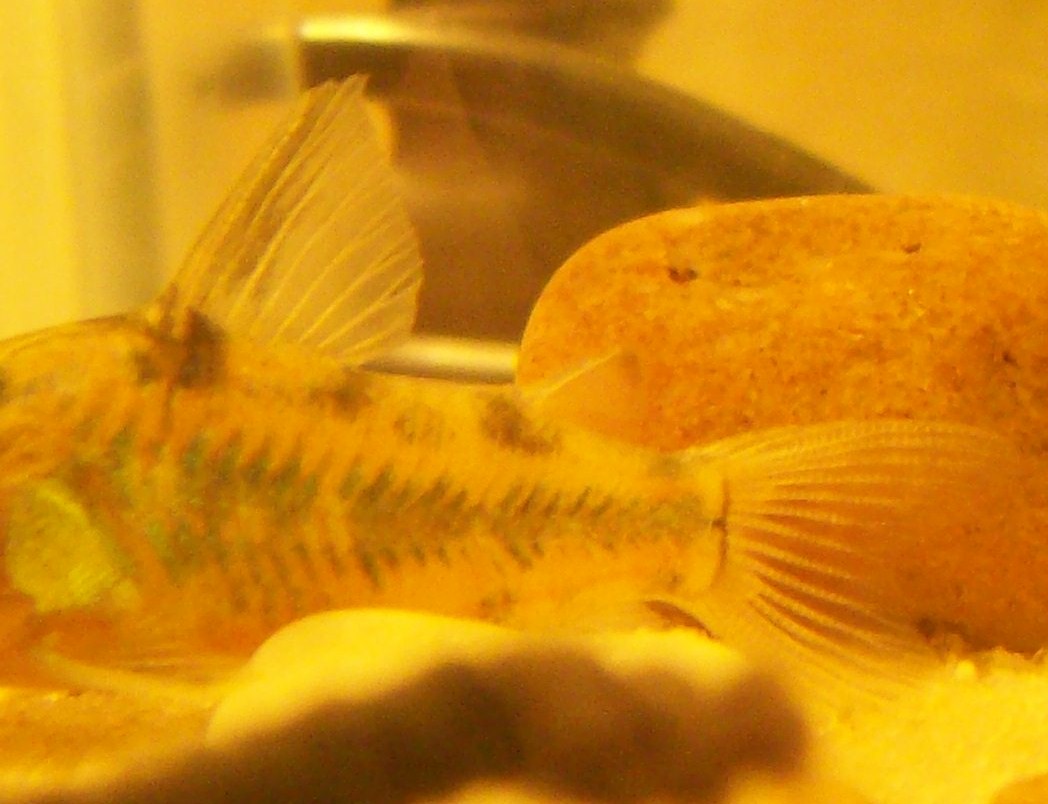
An adipose fin on a corydoras. Not the greatest picture.
Synodontis
These catfish often do well with african cichlids. There are many different types, and they are all different sizes. The water they like is warm and neutral to alkaline. Upiside down catfish are the most popular synodontis, and these 3 inch fish do swim up side down. The 4 inch cuckoo catfish breeds by sneaking their eggs into the eggs of mouth brooding cichlids. The angel catfish is an attractive 5 inch fish. Synodontis Decorus is pretty but can get up to 10 inches long. The lace catfish is attractive when young but is much more drab when it gets to its maximum size(10 inches). Syonodontis Schoutedeni is 7inches long and has lots of variations in its patterens. The featherfin synodontis is a fish with an attractive dorsal fin and can get to 9 inches long, but it usually stays smaller. Ther are many more synodontis out there, but many are very similar to each other. By the, exept for up side down, lace and sometimes featherfin catfish, synodontis are often very expensive.
A terrible picture of a synodontis. Probably either a young lace or an old up-side-down catfish
Callichthyiidae Armored Catfish
This family contains the most popular catfish, the corydoras. These are all peaceful bottom dwellers except for the dwarf corydoras, which sometimes swims in midwater. They like slightly acidic water. It is best to keep corydoras in a group of 3. Most corydoras get 2.5 inches long and are very easy to keep. Those corydoras are the bronze, peppered, panda , bandit, skunk, elegant, spotted, delicate, adolfoi, julii, and many others. The dwarf corydoras is only a little more than an inch long, and it likes to live in a larger group of its own kind than most corydoras. The bearded or giant corydoras is the same as all other corydoras but it can get to 5 inches long. The emerald catfish(Brochis splendons) is a 3 inch fish that is not an actual cory but it is closely related. The 4 inch hoplo catfish is like a cory but more elongated. Flagtail and porthole catfish are both pretty much the same 5 inch fish. The armoured catfish is one of the largest fish in this family, at 7 inches. Those are just about all of the kinds of armoured catfish.
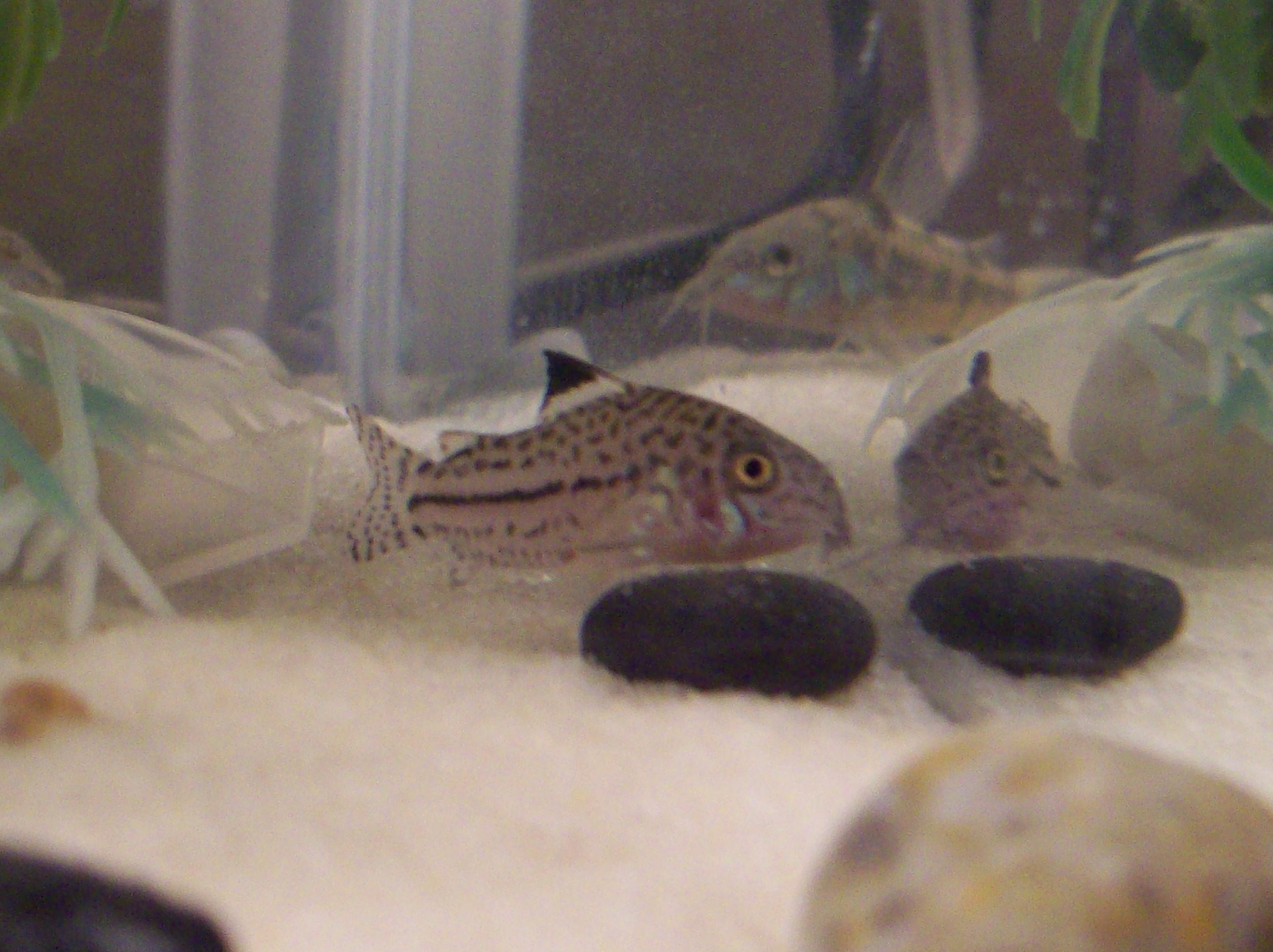
A very young Julii corydoras.
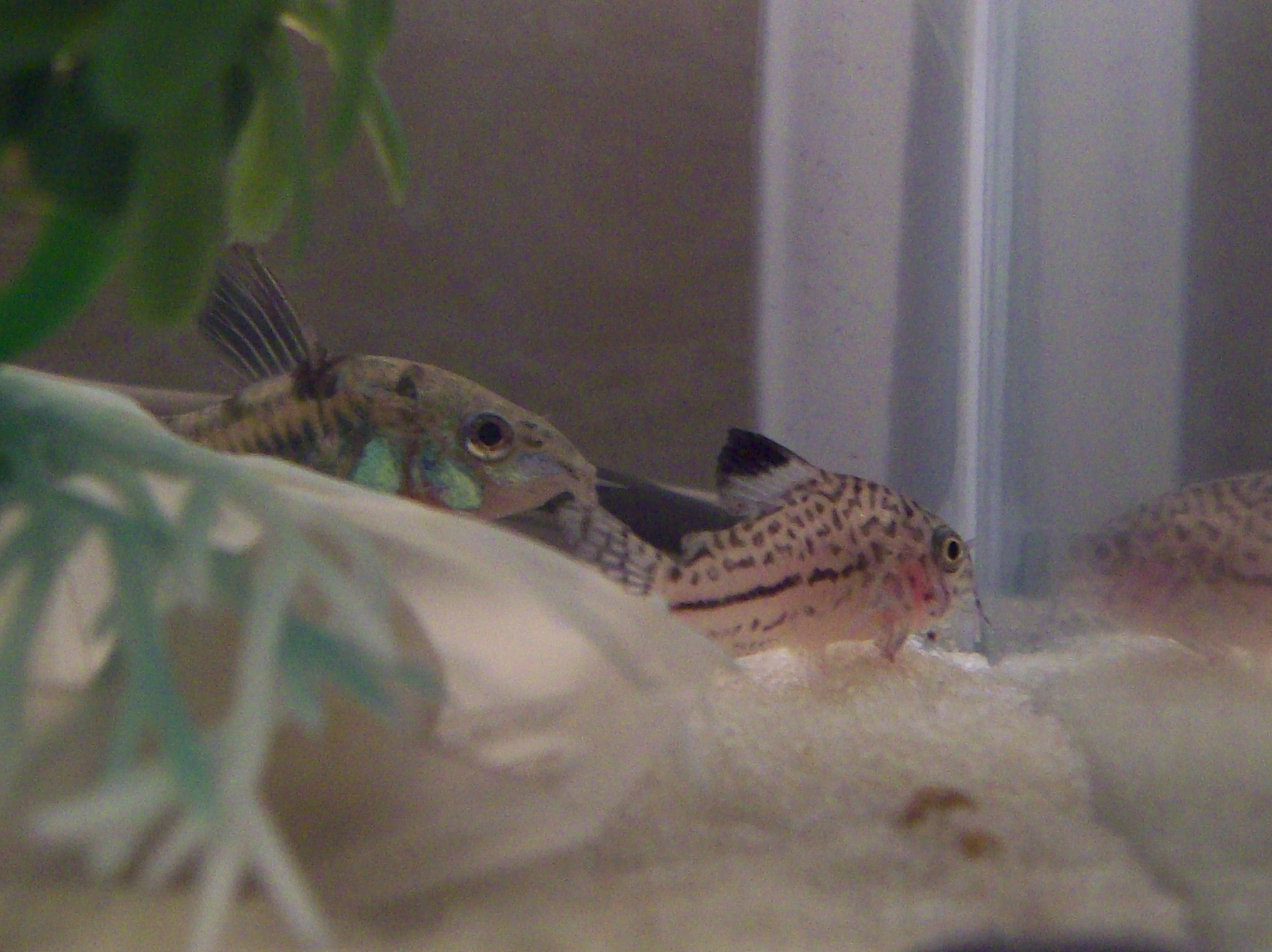
Different corydoras species will hang out together and sometimes hybridize.
Plecos
Plecos are a very diverse group of fish. There are so many species that they need to be named with L numbers, such as L18 or L86 A. Many people buy plecos to remove algae, but only some will do this. The plecos like a neutral to slightly acidic water, and the temp. should be warm. Common plecos are great at cleaning algae, very hardy, and can tolerate cool temperatures, but are capable of reaching over 2 feet. The sailfin pleco is like the common, but it only gets 16 inches long, is prettier, and needs warm water. Bullnose or rubberlip plecos are only 5 inches long when full grown, but are not good with eating algae. A small, easy to keep, easy to breed,algae eating pleco, the bristlenose pleco is a great 5 inch fish. The 12 inch golden nugget pleco is very popular and attractive, but it is expensive. Royal plecos can get 2 feet long, but they are beautiful and their price has lowered. The 3 inch zebra pleco is beautiful, but it is being overfished in the wild and is sold at up to $300.00. Varmpire plecos are 16 inch fish witha very unique mouth. There are so many other species of plecos, but many of those are similar to the ones here.

My young bullnose pleco. He refuses to eat algae.This guy has some very strange behaviors.
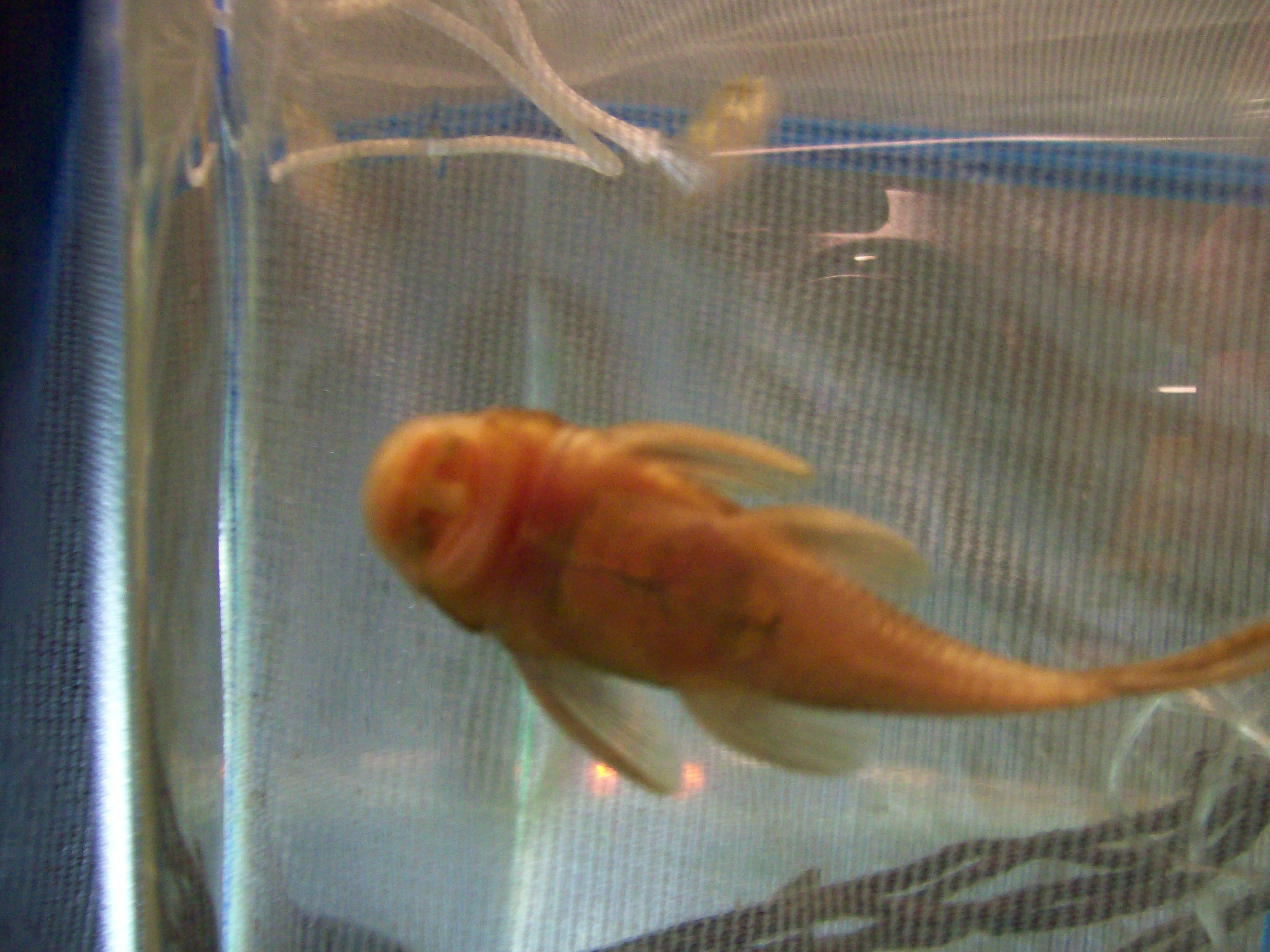
If you have a pleco, you will see this pose a lot.

A rhino pleco. Although it is quite drab, this fish has striking fins and unique fleshy "horns" on its head.
Other Suckermouth Catfish
Most of these fish are related to plecos. They have the same requirements as plecos. Although some of these fish are great algae eaters, most prefer other vegetable food or meaty food. The Otocinclus, or dwarf oto, is a very popular fish because of its small size and ability to eat huge amounts of several different species of algae. Twig catfish are cool looking, and although they will only get 6 inches long, they are very delicate and not recommended for anyone but the most experienced aquarist. Red or lizard whiptails are a little bigger than twig cats, but they are easier to keep. The royal or gaint whiptail gets 12 inches long, and is as easy to keep as the red whiptail.
Pimeloid Catfish
There are many different species of this kind of catfish. They like warm and slightly acidic water. Pim catfish are more active than most catfish. The most common pimeloid is the 4 inch pictus cat, or spotted pim. Redtail cats are sometimes sold, but they shouldn't be because it can get 72 inches long and up to 100 pounds. Ornate pims are a little bigger than pictus cats, but they are more attractive. The gracilus pim gets 7 inches long and looks a little like an armoured catfish.
Bagrid Catfish
There are not very many kinds of this type of catfish available. One of the only common bagrids is the 8 in. striped mystus catfish. Another common one is the 8 in. sun catfish. They like warm, neutral water.
Spiny Catfish
All of these catfish belong to the family of Doradid catfish. They like acidic and warm water. The most common is the 6 in.rapheal catfish. There is a striped, spotted, and chocolate form of this fish. Another somewhat common spiny cat is the 7 in. talking catfish, named for its ability to make odd noises.
Banjo Catfish
These very unactive catfish are great for the community tank unless there are baby fish in the tank. They like warm and acidic water. The banjo cat is the smallest and most common of the banjo cats, at about 6 in. Whiptail banjo cats get about 8 in. long including their long tails.
Shovelnose Catfish
Many of these catfish get too large for the average aquarium. They like the same type of water as banjo and spiny catfish. The smallest species is the lima shovelnose, which only reaches 16 in. in length. Tiger shovelnoses are the largest; they can grow to nearly 4 feet! The tiger-striped catfish is in the middle, at about 2 feet.
